

Bridging the Gap: Bringing the Human Side to Career Readiness
We often talk about career readiness as a series of technical boxes to check, but the modern workforce demands something deeper. In our latest podcast episode, Nicole Cobb, Ph.D., a professor of practice at Vanderbilt University, joined us to discuss how educators can move beyond the checklist and model the human skills students need to thrive.
The 2030 Skill Shift
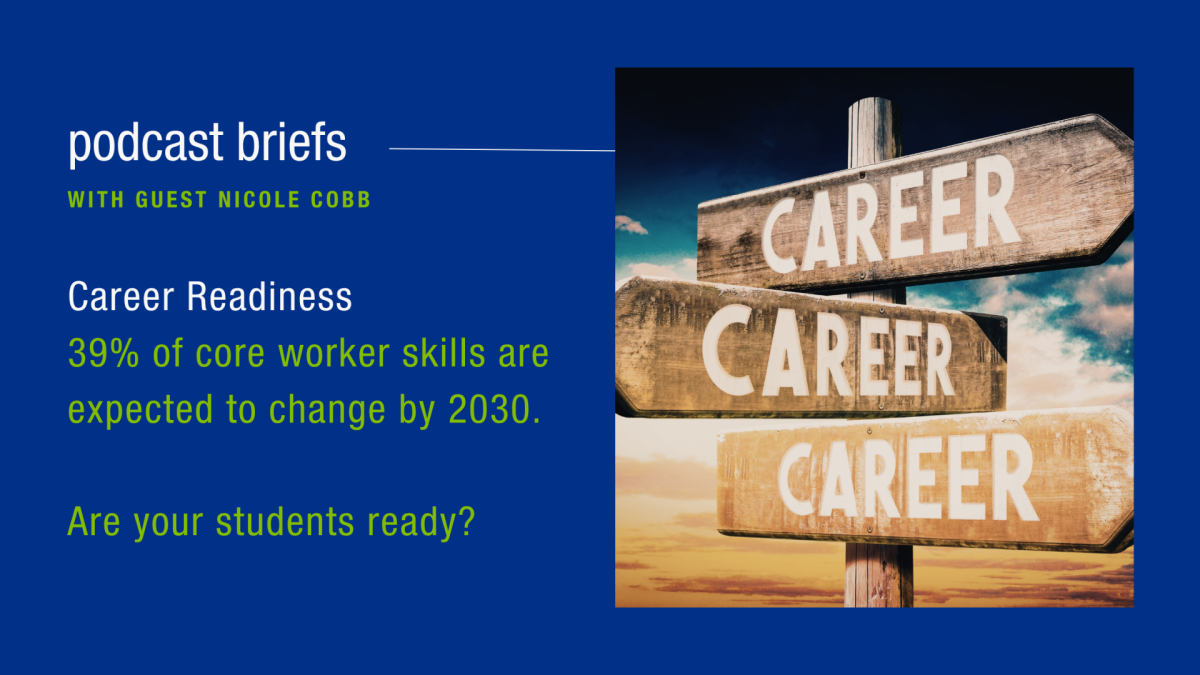
The stakes for our students are shifting rapidly. According to the World Economic Forum, 39% of core worker skills are expected to change by 2030. As Cobb points out, we are training students for jobs that don’t even exist yet.
While artificial intelligence is the elephant in the room, the skills that remain AI-proof are deeply human: analytical thinking, creative problem-solving and adaptable communication.
The Importance of Modeling
One of the most powerful takeaways from our conversation was the need for explicit modeling. We often assume students intuitively know how to make eye contact, use appropriate body language or project their voice during a presentation. However, Cobb argues that these are skills that must be taught as intentionally as Excel or PowerPoint.
3 Starter Moves for Your Classroom
You don’t have to scrap your existing unit plans to prioritize career readiness. Here are three starter moves to embed these competencies into your content:
- The “Why” Behind the Work: Be transparent with your students. Instead of assuming they see the connection, explicitly state: “We are doing this group project because we are working on teamwork skills you’ll need in your future careers.”
- Real-World Formats: Shift some of your assignments away from traditional academic essays toward professional deliverables. For example, a composition assignment can be framed as a police report or a project summary for a manager.
- Setting Group Norms: Before starting a project, have students individually write a personal goal and then collectively set group norms. This mimics the contracts and strategic plans used in the business world.
Embracing the Devil’s Advocate
In our discussion on AI, we explored how it can be a tool for professional growth rather than just a shortcut. Whether it’s using AI to brainstorm paper topics or asking it to play devil’s advocate to find flaws in an idea, these are the reflection and critical thinking skills that set the best employees apart.
Hear More From Nicole Cobb
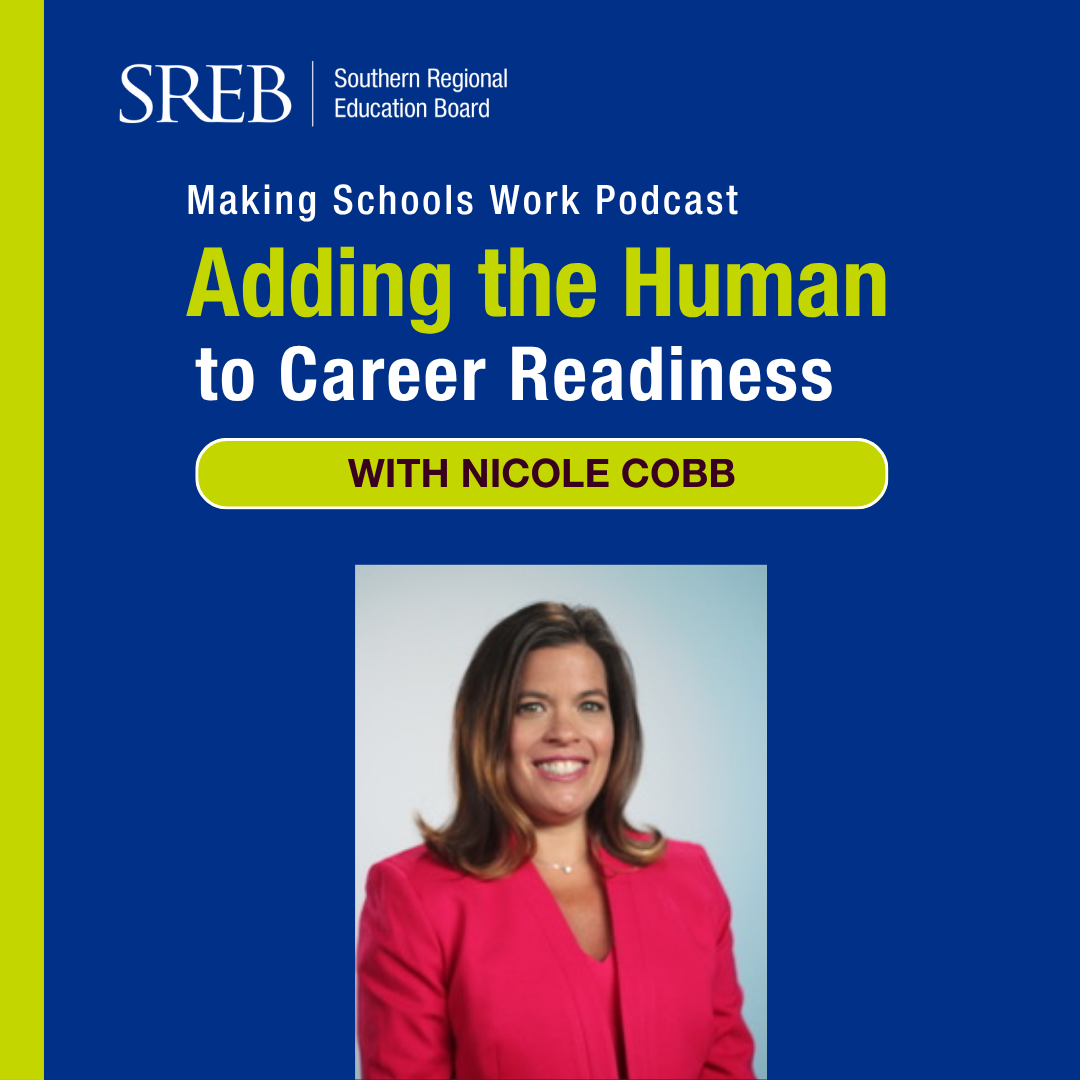
You can listen to the whole conversation with Cobb on the podcast.
If you are attending the 2026 Making Schools Work Conference in Nashville this July 14-17, then make sure to attend Cobb’s featured speaker session on Thursday at 1 pm.
And make sure you catch every episode of our podcast by liking and subscribing to the Making Schools Work Podcast wherever you listen to your podcast.