

Crisis Recovery Network trains 34 Mississippi counselors
Counselors from 20 Mississippi school districts received school crisis training through the Southern Regional Education Board’s Crisis Recovery Network in February.
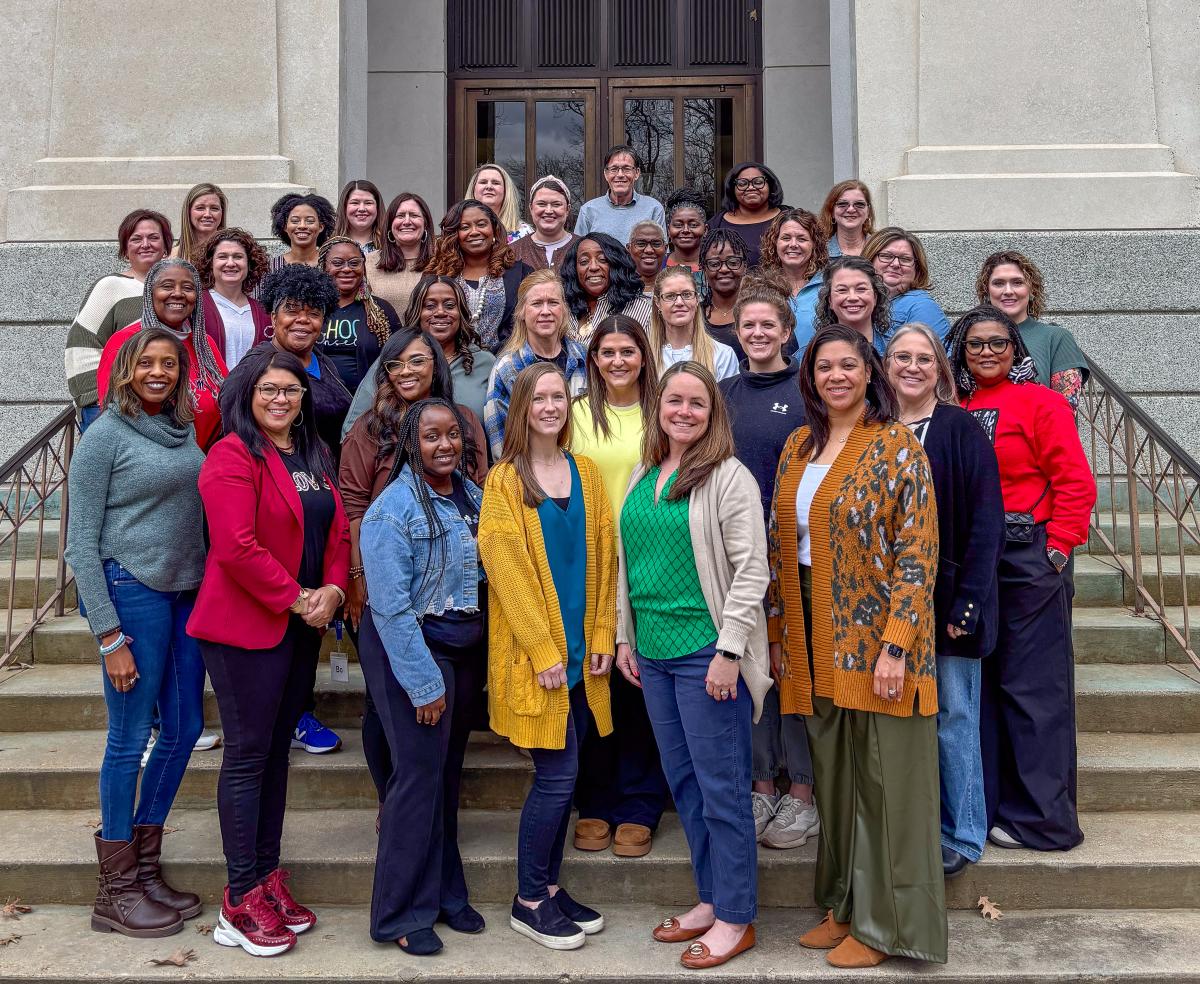 Thirty-four school counselors from 20 school districts participated in the Feb. 24 and 25 workshop. Madison County Schools and Superintendent Ted Poore hosted the workshop at Madison County Board of Education in Ridgeland, Mississippi. The workshop was led by Crisis Recovery Network Program Director Linda Tyree with co-trainer Kellie Thompson. Jana’ Slay, director of K-12 Academic Counseling Programs in the Mississippi Department of Education’s office of curriculum and instruction, was also in attendance.
After natural disasters like hurricanes, tornadoes and floods, after violence on campus, students, teachers and entire communities – especially in rural areas – are left to cope with deep emotional and psychological wounds.
The SREB Crisis Recovery Network exists to provide timely, trauma-informed psychological first aid and mental health crisis intervention to students and staff affected by a catastrophic event. The mission is to serve as an added layer of care for a year following a tragedy – working alongside school and district teams to stabilize, support and strengthen recovery efforts. They offer relief and reinforcement, ensuring no school community walks through crisis alone.
“Recovery does not happen by having counselors available for a few days after students return,” Tyree said. “It is an extended healing process.”
The workshop follows the PREPaRE model developed by the National Association of School Psychologists and prepares counselors to respond to traumatic events in schools. Counselors are trained to respond to anything from a student medical crisis to a natural disaster. The two-day workshop guides participants through the many stages of responding to a crisis – from triaging to alerting the appropriate people and meeting with students one-on-one.
“The training I received through the SREB Crisis Recovery Network was empowering and deeply informative, equipping me with practical tools to strengthen crisis response and recovery in my school community,” Desoto County Schools counselor Charlotte Armstrong said. “I truly believe this training would benefit all school counselors, and I have already begun the conversations with my principal – who has encouraged me to take the lead in training our school crisis team.”
Counselors discuss real-world examples through guided exercises and are encouraged to collaborate with fellow counselors to determine the best courses of action for each scenario. Attendees also share their own crisis experiences and how their schools and districts responded.
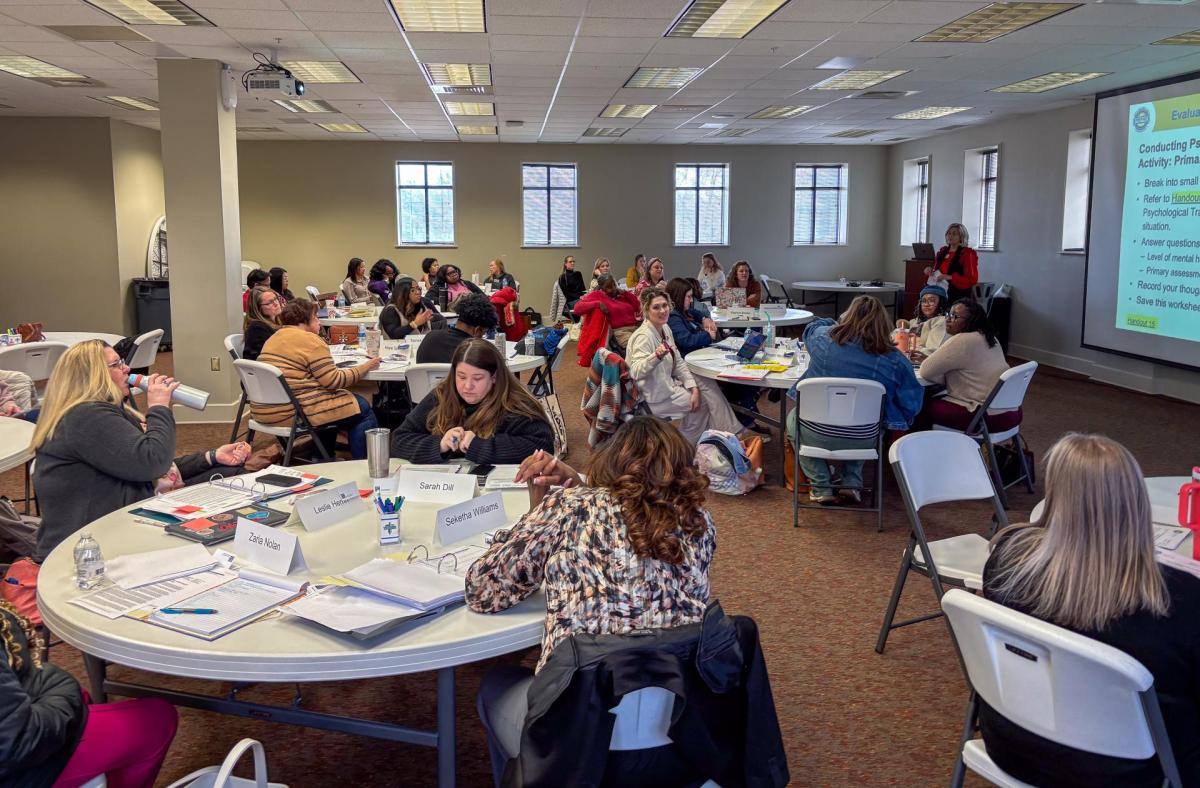
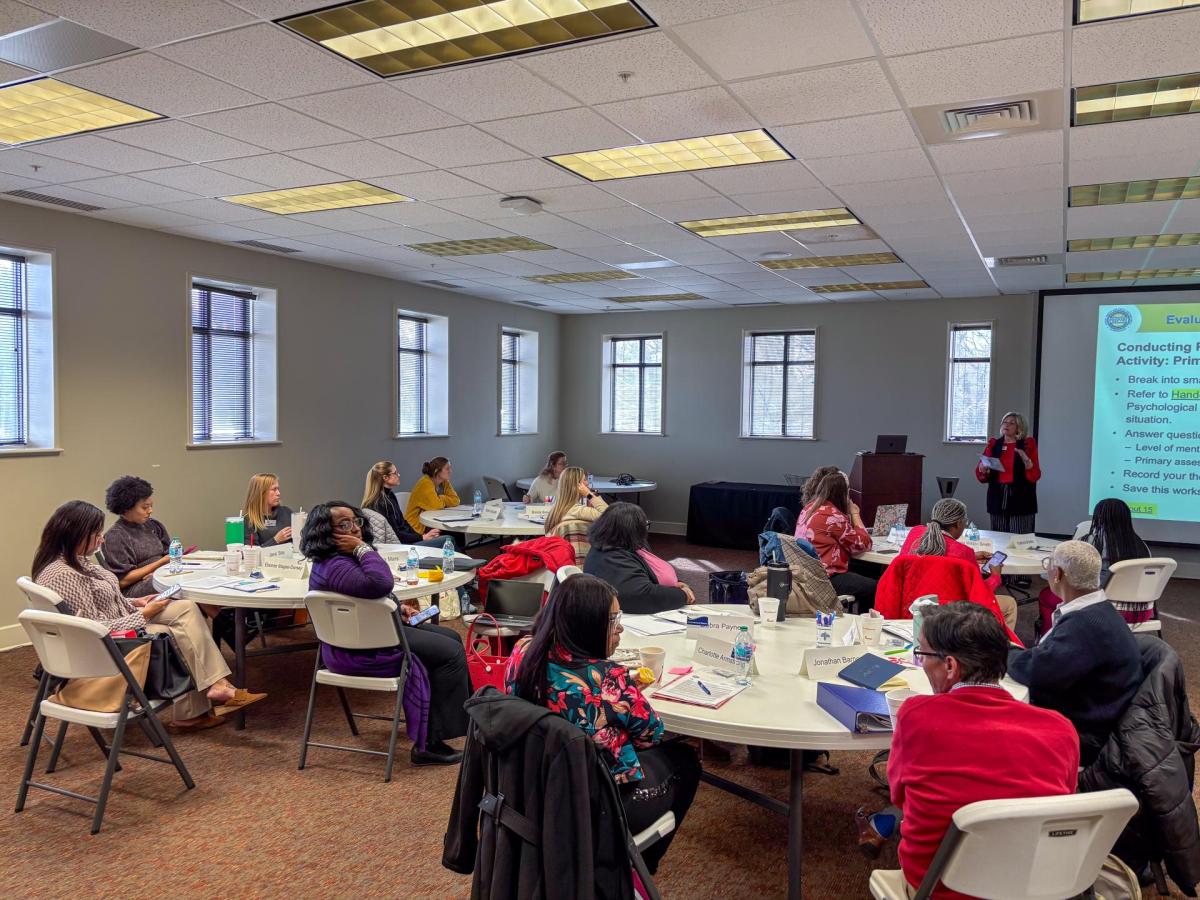
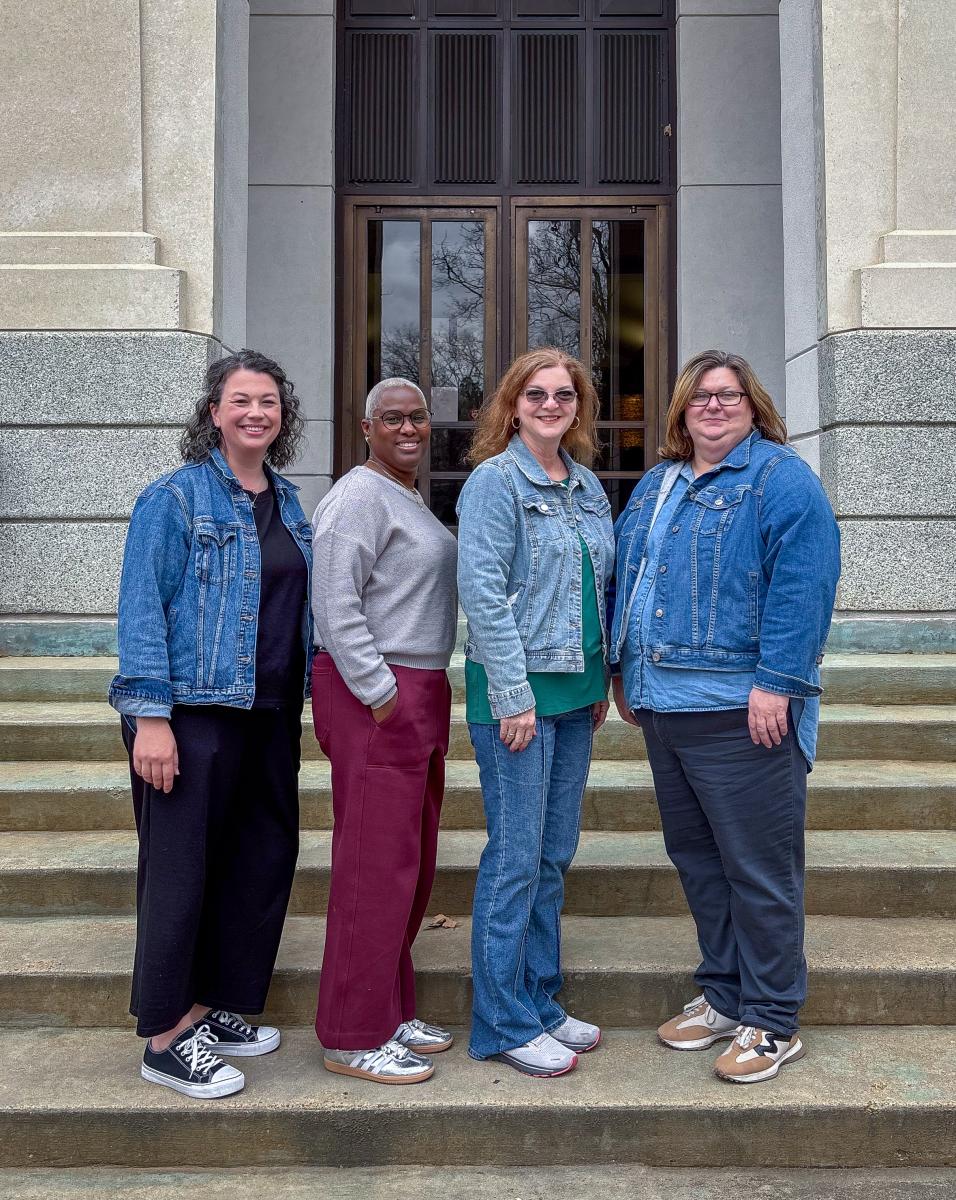

One of the exercise scenarios involved a traumatized student who had just experienced the stigmatizing death of a friend. The counselors had to work together to determine how to provide appropriate mental health support to the student.
“I was especially impressed by the way they established rapport and worked to identify the crisis-generated problems the student was experiencing,” Tyree said. “They then thoughtfully implemented appropriate interventions to help her begin the journey toward recovery.”
“Beyond strengthening our crisis response skills, the experience allows us to expand our professional network and build a strong system of human resources and support,” George County Schools counselor Jeana Delancey said. “Collaborating with fellow counselors and professionals deepens our collective impact and ensures we are better prepared to serve our school communities in times of need.”
Once trained, counselors work as a team in their state and are available to respond to crises around the state. The SREB Crisis Recovery Network will complement existing crisis management efforts by focusing on long-term healing and psychological resilience.
Since its inception, the network has trained more than 260 counselors in eight states across the South. By the end of March, the network will have trained more than 300 counselors. Network counselors are recommended by their superintendent and come with ample experience and education.
“At its core, this work reflects why we chose this profession: to support, uplift and serve children, families and communities,” Delancey said. “This training equips us to do exactly that, with greater confidence, coordination and care.”
The SREB Crisis Recovery Network’s next training sessions will be held in Delaware and Kentucky later this month. Delaware’s training will be in Dover, Delaware, on March 16 and 17 at the Delaware Technical Community College. The Kentucky network will train in Richmond, Kentucky, on March 25 and 26 at the Madison County Board of Education.
Training will pause during summer break and resume in September for Florida, Tennessee, Virginia and Oklahoma. To sign up for a future training, please visit https://www.sreb.org/crisis-recovery-counselor.
For more information, please contact Crisis Recovery Network Program Director Linda Tyree at linda.tyree@sreb.org or (404) 875-9211.
Members of the media may contact the SREB communications office at communications@sreb.org.
The Southern Regional Education Board helps improve education at every level, from early childhood through doctoral education and the workforce. A nonprofit, nonpartisan organization, SREB is an interstate compact among Alabama, Arkansas, Delaware, Florida, Georgia, Kentucky, Louisiana, Maryland, Mississippi, North Carolina, Oklahoma, South Carolina, Tennessee, Texas, Virginia and West Virginia.