

AI in K-12 Classrooms
AI in the K-12 Classroom
Guidance & Stories for Teaching, Professional Learning, Planning
 Students and teachers face complex
challenges alongside the opportunities that AI brings to
learning. To help schools use AI tools ethically and effectively,
SREB offers frameworks to leverage artificial intelligence
for demanding, personalized learning.
Students and teachers face complex
challenges alongside the opportunities that AI brings to
learning. To help schools use AI tools ethically and effectively,
SREB offers frameworks to leverage artificial intelligence
for demanding, personalized learning.
On this page, find our full guidance report, our considerations for professional learning, stories from teachers, podcasts, a procurement checklist and other resources for using AI in K-12 classrooms.
A Roadmap for Responsible, Effective AI
Guidance for the Use of AI in the K-12 Classroom
These core pillars can help K-12 educators adopt AI tools thoughtfully and responsibly. Full report >
1. Design cognitively demanding, AI-supported tasks
AI tools can help teachers develop real-world tasks where students use AI as part of the creative and learning process, building critical thinking and problem-solving skills.
Classroom examples: History in West Virginia | AP psych in Delaware
2. Streamline teacher planning and reduce administrative burden
AI can help teachers with planning, grading and communication — giving them more time to focus on student engagement and success.
Classroom examples: English in West Virginia | Biology in Florida
3. Personalize student learning
AI-powered platforms can help teachers differentiate support, automate real-time feedback and customize learning experiences to meet each student’s needs.
Classroom examples: Teacher PD in Delaware | Earth sciences in South Carolina
4. Foster ethical and informed AI use among students
The guide emphasizes critical media literacy and student ethics committees to teach students about bias, cheating, deepfakes and hallucinations.
Classroom examples: Elementary grades in Alabama | STEM in Arkansas and South Carolina
Considerations for Designing AI Professional Learning for Educators
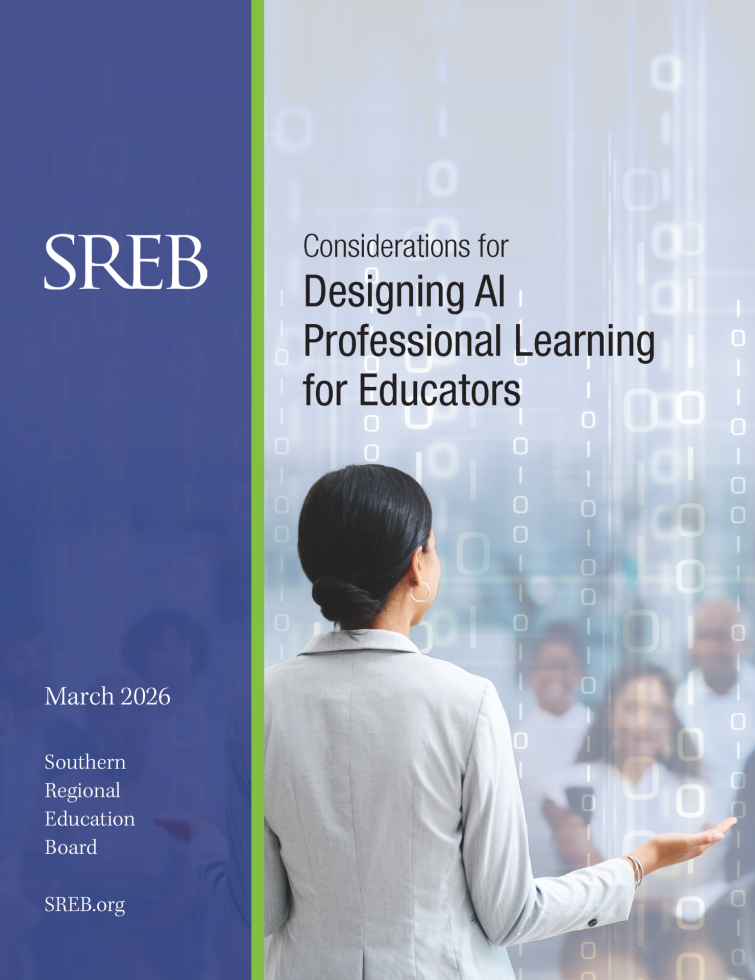
This report outlines considerations for educational entities in designing high-quality professional learning plans that enable current K-12 educators to ethically and effectively integrate the use of artificial intelligence. AI is both a tool with broad uses, such as creation, data analysis and productivity, as well as a source of information.
In the Classroom With AI
Teachers Guide Students, Save Time & Personalize Learning
 Educators across the South are designing assignments that make students think and fostering their ethical, informed use of AI. And they’re streamlining planning and administrative tasks so they have more 1:1 time with students.
AI Tool Procurement, Implementation and Evaluation Checklist
Toolkit for K-12 Education
Use this checklist to ask the right questions as you adopt AI tools, align them with educational goals and protect student data and safety. The toolkit is organized by each stage of AI implementation. Download an Excel version for your own notes.
Guidance for the Use of AI in the K-12 Classroom
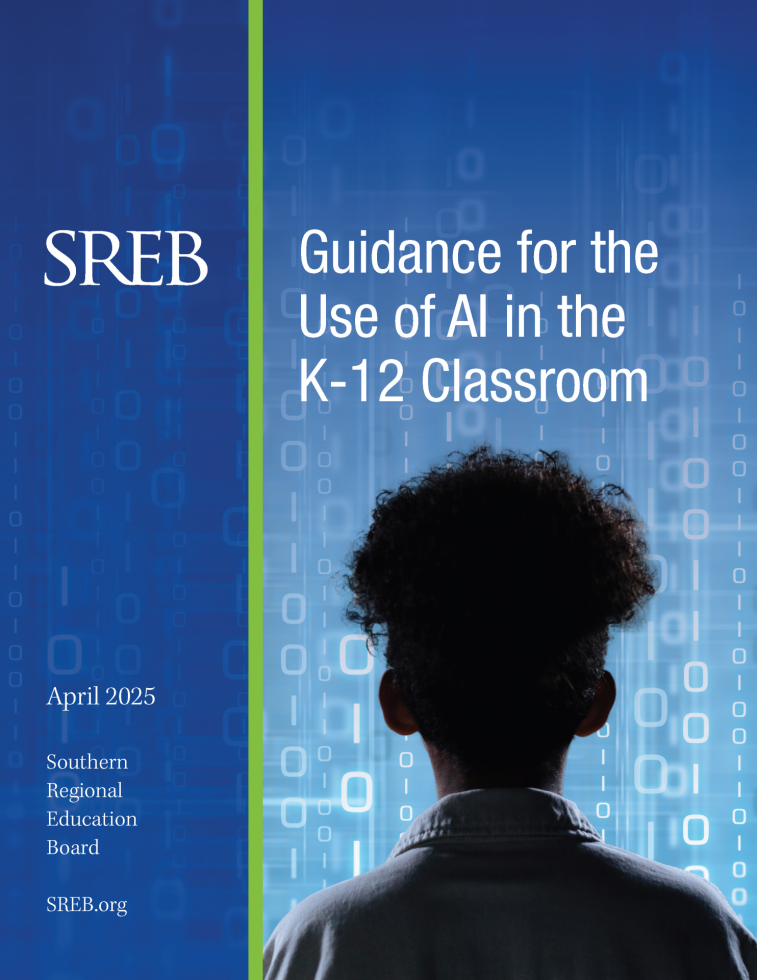
This resource for educators frames four pillars to promote thoughtful and responsible adoption of AI in K-12 education. It offers guidance to design demanding assignments, streamline planning and administrative tasks, personalize student learning, and foster ethical, informed use by students.
Skills for an AI-Ready Workforce
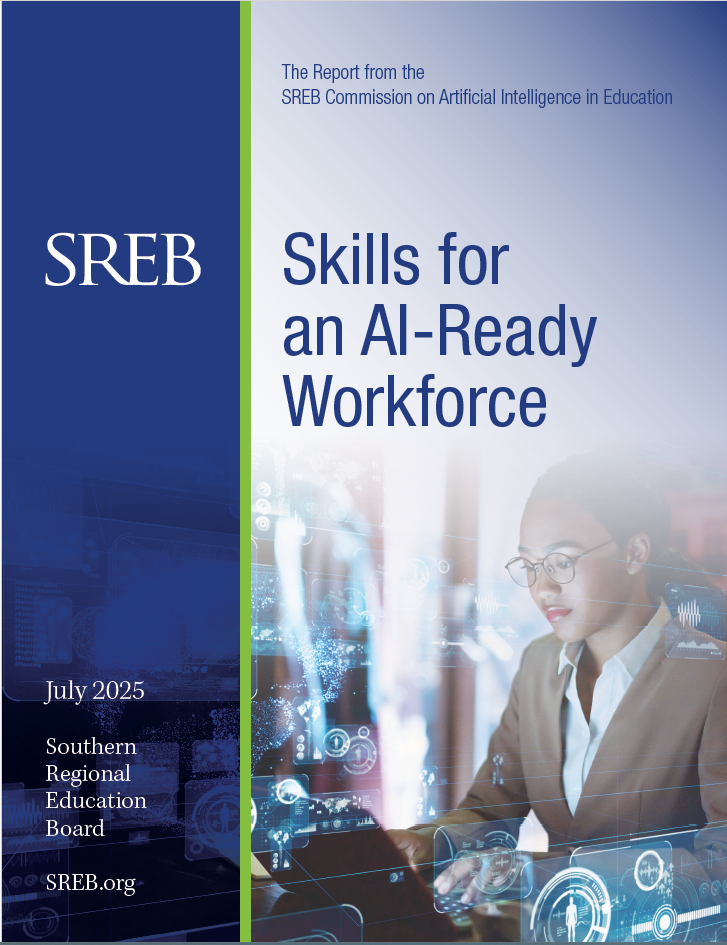
The Skills for an AI-Ready Workforce report provides a roadmap for equipping learners with the capabilities needed to advance in today’s labor market. This resource is designed for use across the entire education and workforce continuum — from K-12 schools and postsecondary institutions to workforce development agencies and employer-based training programs.
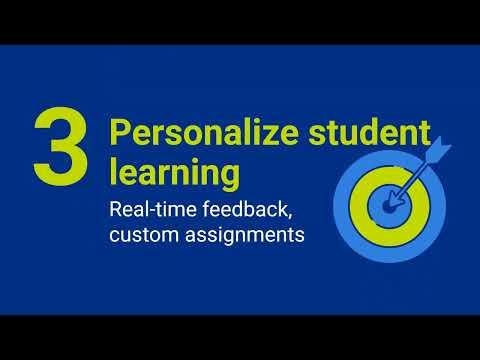
Four pillars for thoughtful AI in K-12 Classrooms
Video overview
A one-minute introduction to SREB’s framework for using AI in teaching, learning and work.
More From Our Blog
AI in Education
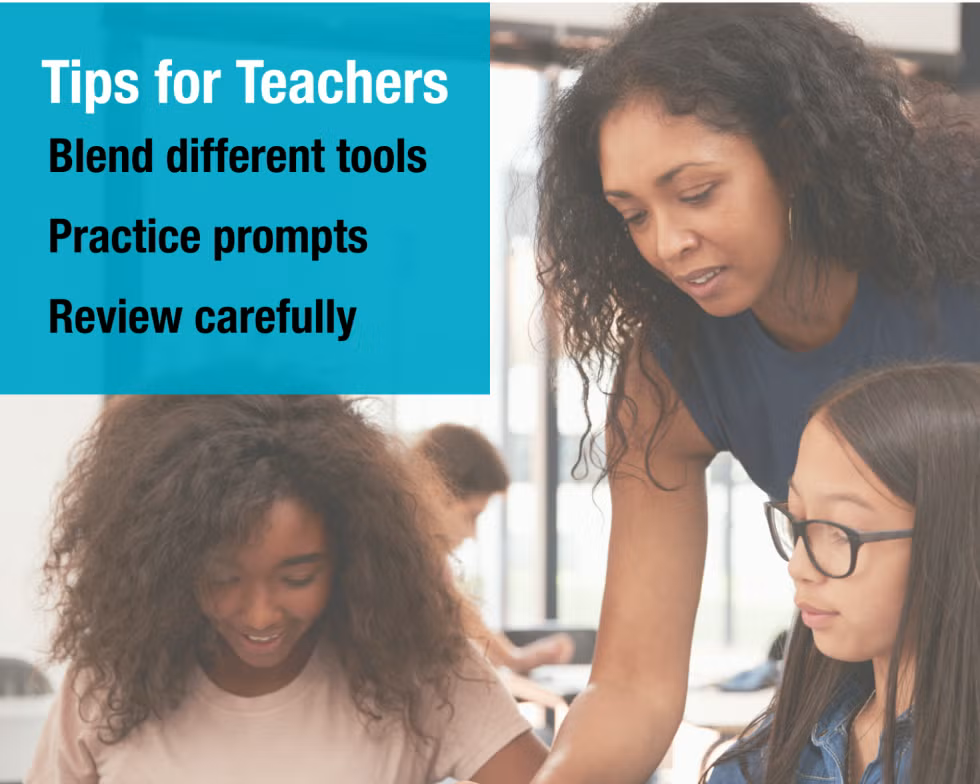 Browse our articles for tips for
teachers, guidance for school leaders, and summaries of the work
of the SREB Commission on AI in education.
Browse our articles for tips for
teachers, guidance for school leaders, and summaries of the work
of the SREB Commission on AI in education.